



Whether you’re building a new home or undertaking a whole-home renovation, the goal is usually the same. You want a home that feels considered, functions effortlessly, and reflects the way you and your family want to live.
Yet one of the biggest misconceptions homeowners have is believing that one professional can deliver all of that on their own.
A builder may be exceptional at bringing plans to life, but they aren’t an architect. An architect understands structure and scale, but they aren’t an interior designer. A landscape architect creates outdoor spaces that feel just as intentional as the interiors, while a lighting designer shapes the atmosphere, comfort, and wellbeing you experience every day.
The most successful projects aren’t led by one expert. They’re the result of specialists working together, each contributing years of experience in their own discipline while collaborating toward a shared vision.
Whether you’re building from the ground up or transforming an existing home, assembling the right team from the very beginning can make the difference between a project that simply gets completed and one that exceeds your expectations.
Table of Contents
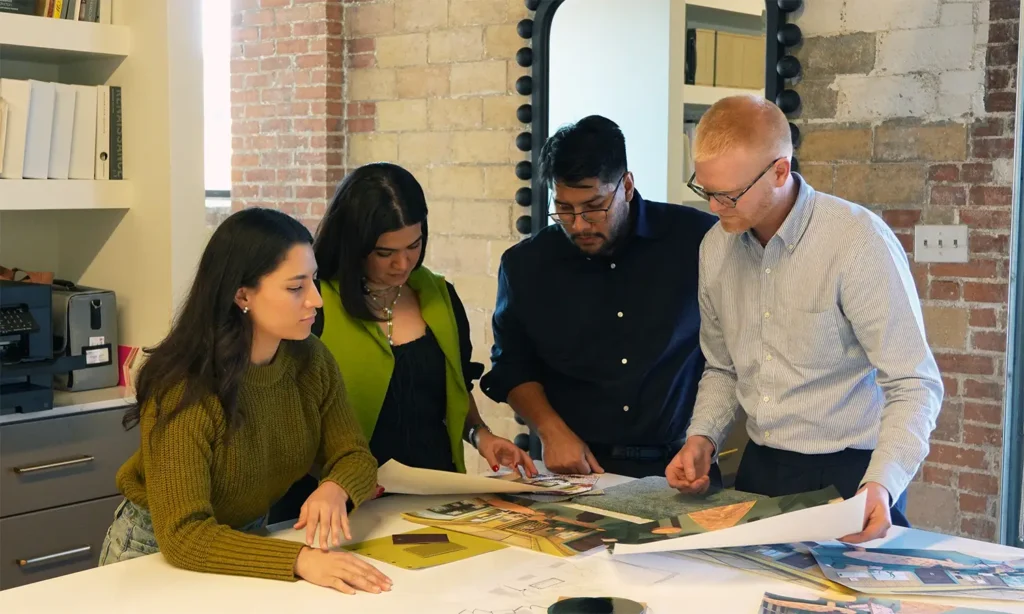
1. The Interior Designer, Bringing Your Vision Together
While every professional on the project brings a different area of expertise, the interior designer is often the thread that connects them all.
Long before materials are selected or construction begins, an interior designer helps you think about how you want to live in your home. How will you entertain? Will extended family stay for the holidays? Do you want spaces that feel open and connected, or private and intimate? These conversations shape every decision that follows.
From there, the role expands far beyond selecting finishes and furnishings. An interior designer develops the overall vision for the home, ensuring every room feels connected through a thoughtful balance of materials, texture, proportion, and mood. The goal is to create a home that feels cohesive from the moment you arrive to the final room you walk through.
Interior designers also play an important role in setting realistic expectations. Through experience and close relationships with architects, builders, lighting designers, and other specialists, they can help guide conversations around scope, budget, and priorities long before construction begins. That collaborative approach helps reduce surprises and allows decisions to be made with greater confidence.
Perhaps most importantly, the interior designer remains involved throughout the entire journey. From the earliest ideas and floor plans to construction details, furniture, lighting, artwork, and the final styling, they help ensure the original vision is protected every step of the way.
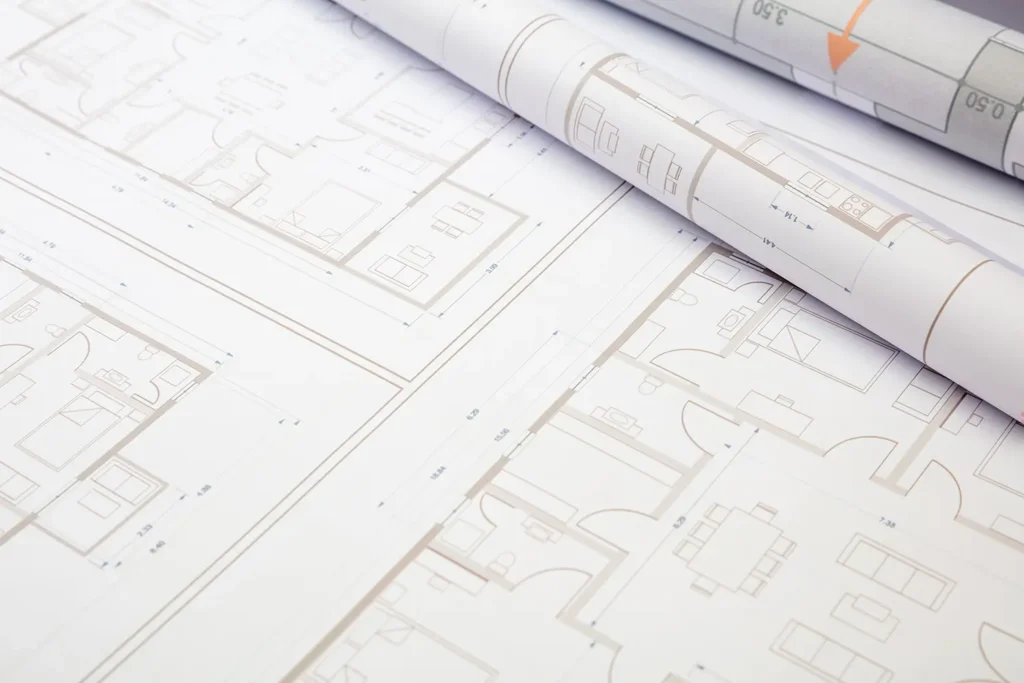
2. The Architect, Turning Vision Into Structure
Once you’ve established how you want to live and what you want your home to feel like, the architect transforms those ideas into a buildable reality.
For new construction projects, the architect is responsible for designing the structure itself. They consider everything from the scale and proportions of the home to engineering requirements, planning regulations, and how the property sits within its surroundings. Their work creates the framework upon which every other specialist builds.
The relationship between the architect and the interior designer is one of the most important collaborations in the entire project. While architects naturally think at the macro level, focusing on the overall form and function of the building, interior designers work at the micro level, considering how each room will be experienced and how every detail contributes to daily life.
Neither discipline replaces the other. Instead, they complement one another, ensuring the home is both beautifully designed and thoughtfully lived in. When architects and interior designers collaborate from the earliest stages of a project, decisions can be made holistically rather than in isolation, resulting in a home that feels cohesive inside and out.
3. The Builder, Bringing the Vision to Life
Every conversation, drawing, specification, and design decision ultimately leads to one moment, construction begins. This is where the builder takes center stage.
A skilled builder is responsible for turning months of planning into a home that reflects the original vision. They coordinate trades, manage schedules, oversee quality, solve problems as they arise, and keep the project moving forward. Their ability to execute with precision has a direct impact on both the finished result and the overall experience of the build.
The best builders also understand the value of collaboration. Rather than viewing the architect or interior designer as separate from the construction process, they recognize that every drawing, specification, and detail exists for a reason. By working closely together, questions can be resolved quickly, decisions remain aligned with the original vision, and costly mistakes are far less likely to occur.
Construction projects are complex, with countless moving parts happening simultaneously. An experienced builder brings the leadership and organization needed to coordinate those moving pieces while maintaining the level of craftsmanship that exceptional homes demand.
When every member of the team trusts and respects each other’s expertise, the result is a smoother construction process and a home that faithfully reflects the vision established from the very beginning.

4. The Landscape Architect, Extending the Experience Outdoors
A beautifully designed home shouldn’t begin at the front door. It should begin the moment you arrive.
While the architect shapes the structure and the interior designer considers how you move through the spaces inside, the landscape architect designs everything that connects your home to its surroundings. From the driveway and front entry to gardens, patios, pools, outdoor kitchens, and entertaining spaces, every element contributes to the overall experience.
Just as the interior of a home should flow naturally from room to room, the exterior should feel equally intentional. A well-designed landscape creates inviting spaces to gather, relax, entertain, and enjoy the property throughout the year, while strengthening the connection between the architecture and its environment.
Landscape architects also consider practical factors such as grading, drainage, planting, privacy, shade, and long-term growth. Their expertise ensures that outdoor spaces are not only beautiful when the project is completed, but continue to mature gracefully over time.
When landscape design is considered from the beginning rather than added as an afterthought, the home feels complete. The experience starts at the curb and continues seamlessly all the way through the property.
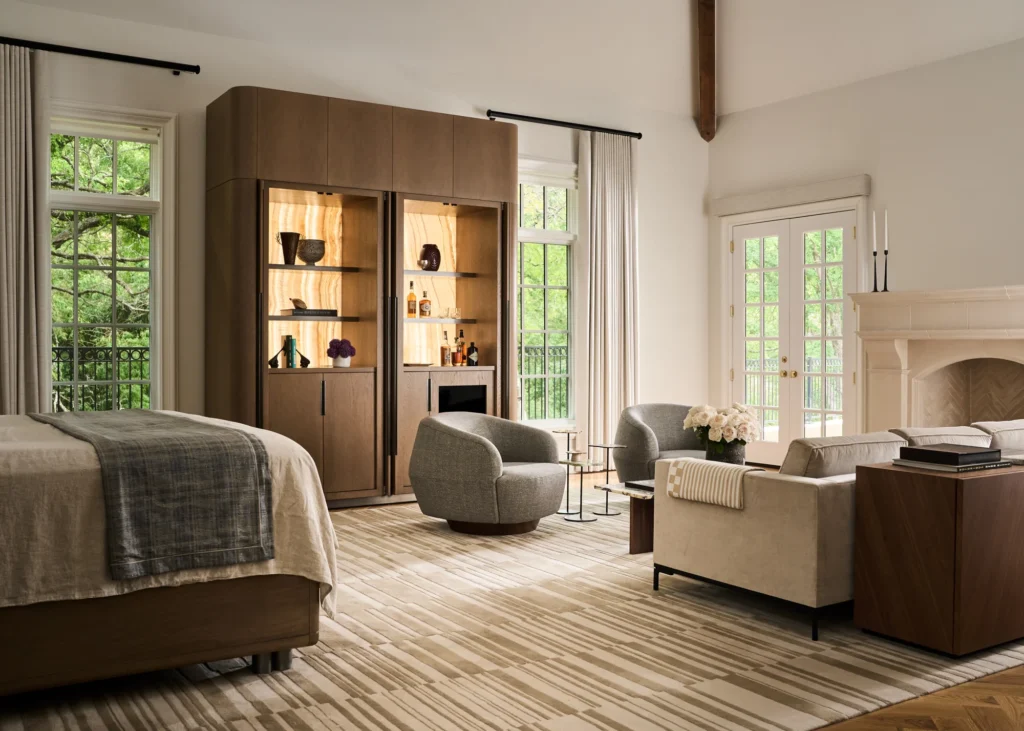
5. The Lighting Designer, Creating Atmosphere and Wellbeing
By the time the lighting designer joins the project, the home has already been carefully planned. The architecture is defined, the interiors have been thoughtfully designed, and the builder has brought the vision to life. The lighting designer’s role is to elevate every one of those decisions.
A professionally designed lighting scheme does far more than illuminate a room. It layers different types of light to support the way you live, from task lighting that helps you cook, read, and work comfortably, to accent lighting that draws attention to architectural features, artwork, and carefully selected materials. Combined with ambient lighting, these layers create spaces that feel balanced, welcoming, and effortless to enjoy.
Working closely with the interior designer, the lighting designer also helps shape the mood of every space. A kitchen requires a different atmosphere than a primary bedroom, while entertaining areas, reading nooks, and outdoor living spaces each benefit from their own carefully considered approach. Every decision is made with the experience of the homeowner in mind.
Lighting also plays an increasingly important role in wellbeing. Modern lighting design can support your body’s natural circadian rhythm by adapting throughout the day, helping you feel more alert in the morning, more productive during the day, and more relaxed as the evening approaches. When lighting is designed well, it’s rarely something you consciously notice. Instead, you simply experience a home that feels comfortable, calming, and perfectly suited to the way you live.
Like every other specialist on the project, the lighting designer brings a level of expertise that complements the rest of the team. Together, they help transform a beautifully built house into a home that feels every bit as exceptional as it looks.
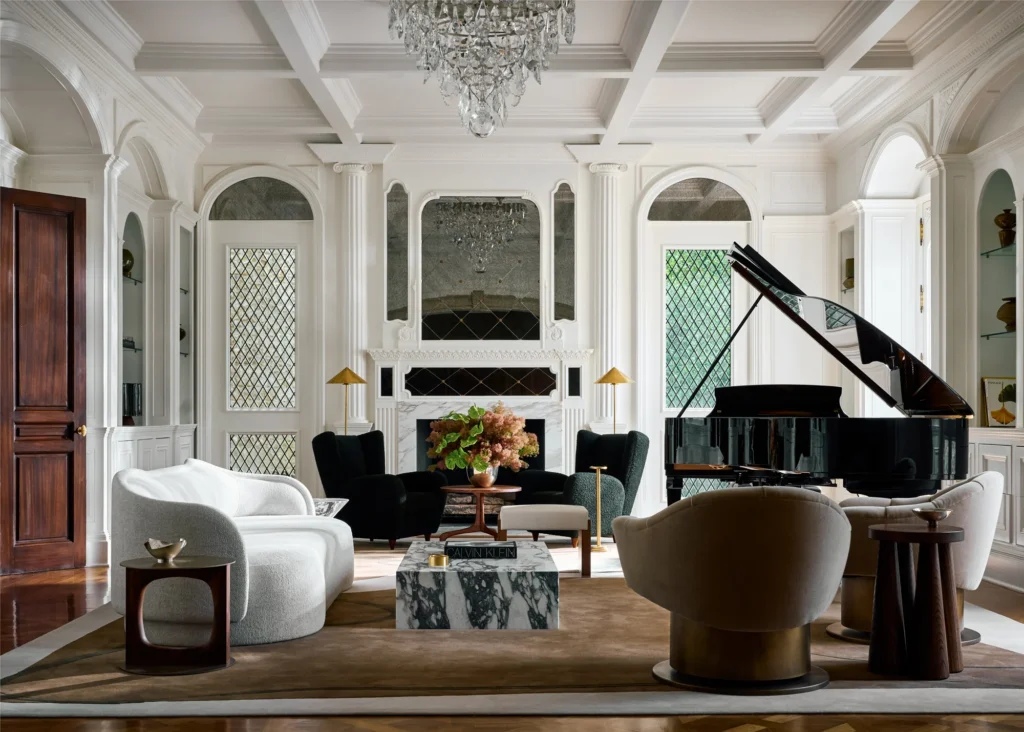
Bringing It All Together
Every one of these professionals brings years of training, experience, and specialist knowledge to your project. While there may be some overlap between disciplines, no single expert can replace the depth of expertise that each brings to the table.
The architect designs the structure. The builder brings it to life. The landscape architect shapes the experience beyond the walls, while the lighting designer creates the atmosphere that allows every space to feel its best.
Throughout that journey, the interior designer helps bring it all together.
By understanding how you want to live, coordinating with every specialist, and protecting the original vision from concept through completion, the interior designer becomes the thread that connects every stage of the project. They don’t replace the other experts, they help ensure each one contributes their expertise toward a single, cohesive outcome.
The most successful new construction and renovation projects aren’t created by asking one person to do everything. They’re created by bringing together exceptional specialists who each focus on what they do best while working toward a shared vision.
That’s the difference between a house that simply gets built and a home that feels deeply personal, functions effortlessly, and is uniquely yours.
FAQs
Do I need an interior designer if I already have a builder?
Yes. While builders are experts in construction and project execution, interior designers focus on how you will live in the home. They develop the overall vision, coordinate finishes and materials, help guide budgeting decisions, and work closely with the builder to ensure the finished home reflects your lifestyle and goals.
Who should I hire first when building a new home?
Many homeowners begin by speaking with an interior designer or architect. Starting the conversation early allows your vision, lifestyle, and priorities to shape the project before key decisions are made, creating a stronger foundation for the rest of the team.
Do I need an interior designer for a renovation?
Yes, particularly for whole-home renovations. An interior designer helps reimagine how the home functions, coordinates finishes and materials, and works alongside architects, builders, and other specialists to create a cohesive result rather than a collection of individual updates.
What is the difference between an architect and an interior designer?
Architects focus on the structure of the building, including its form, engineering, and construction requirements. Interior designers focus on how people experience the home, from layouts and materials to lighting, furnishings, and the overall flow of the space. The two professions work together to create homes that are both functional and beautiful.
Why is a lighting designer important?
Lighting influences far more than visibility. A professional lighting designer considers task lighting, ambient lighting, accent lighting, mood, and even wellness through circadian lighting strategies. The result is a home that feels comfortable and functions beautifully throughout the day.
When should a landscape architect become involved?
Ideally, a landscape architect should be involved during the design phase rather than after construction is complete. This allows outdoor spaces to be planned alongside the architecture and interiors, creating a seamless experience from the street through to the garden.
Can one company do everything for a build or renovation project?
Successful projects are rarely the result of one person doing everything. The best outcomes come from specialists collaborating within their own areas of expertise. An interior designer often acts as the central point of coordination, ensuring the architect, builder, landscape architect, and lighting designer all work toward the same vision.